Back to top
Image
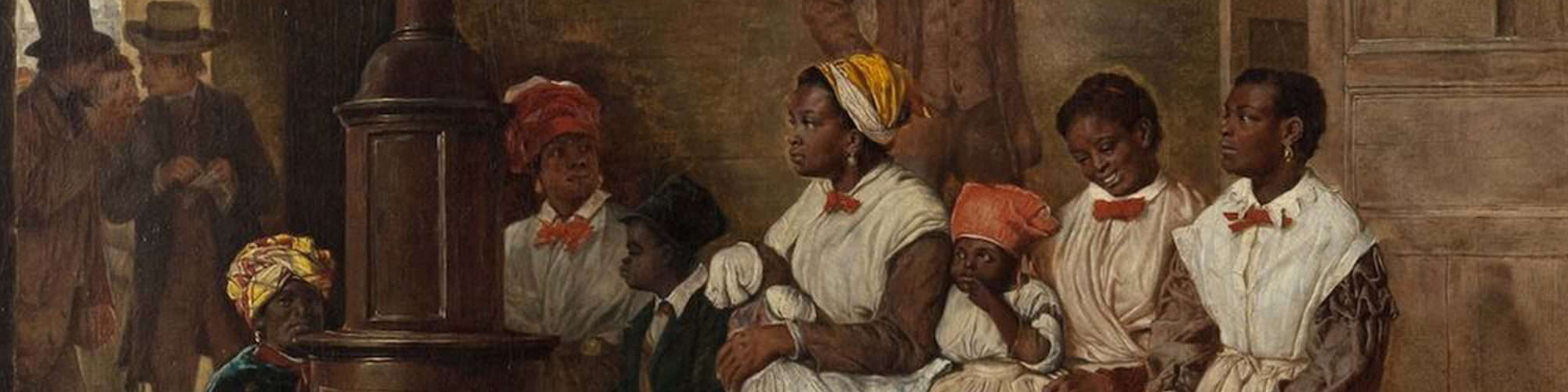
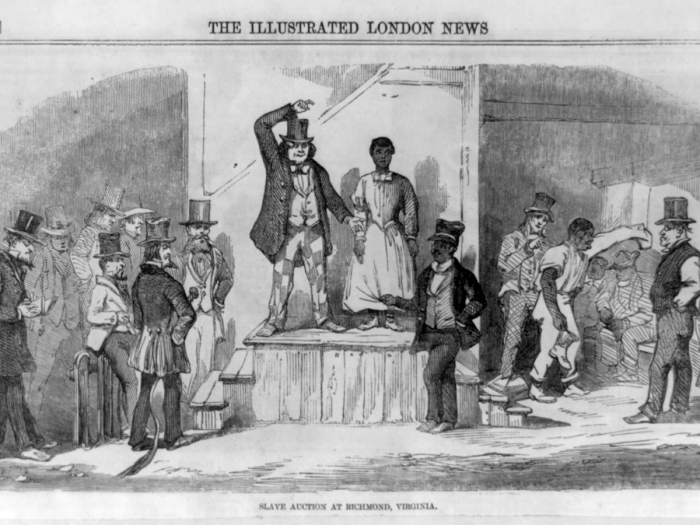
Slave Sale

The Significance of the Trade

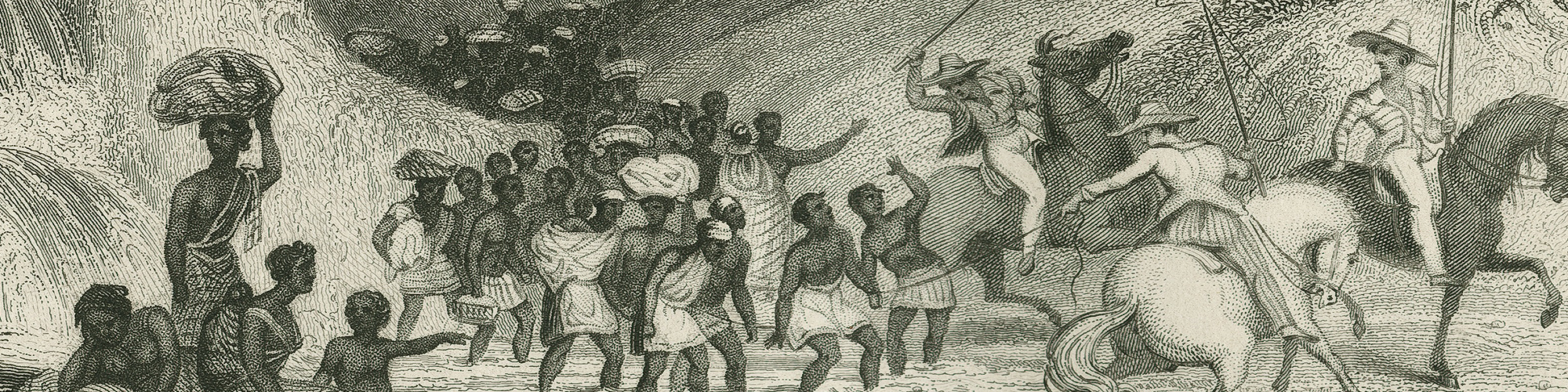
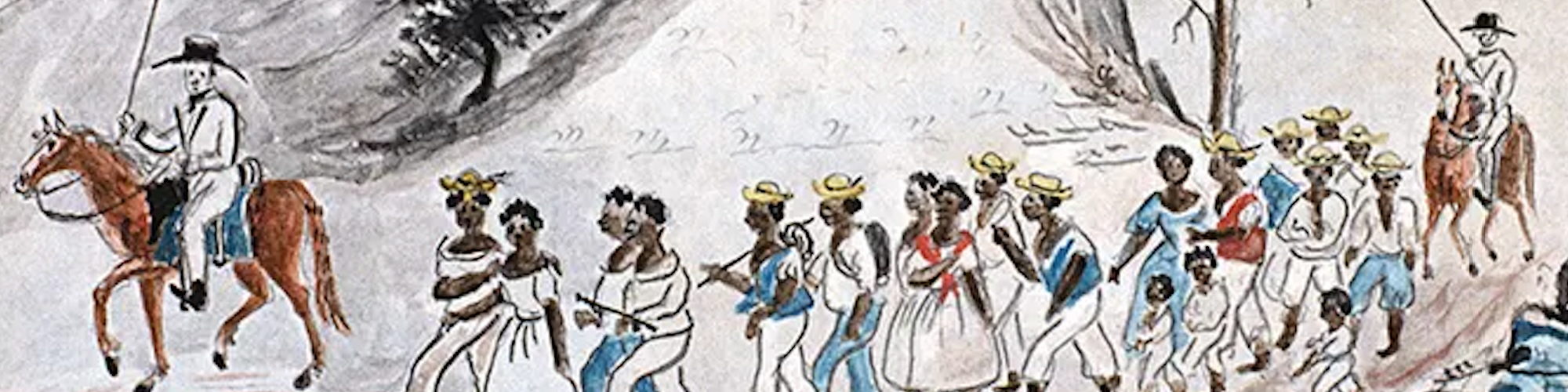
In 1972, historian Richard Ralston coined the term ‘Second Middle Passage’ as a way of conveying the devastations to the Black community caused by the domestic slave trade in the United States. In this second wave of the larger African diaspora more than a million men, women, and children were sold ‘down the river’ from the upper south to the newer states of the Cotton Kingdom.

In his original draft of the Declaration of Independence, Thomas Jefferson famously charged his king with human trafficking: “He has waged cruel war against human nature itself, violating its most sacred rights of life & liberty in the persons of a distant people [meaning Africans] who never offended him, captivating & carrying them into slavery in another hemisphere [meaning America] to incur miserable death in their transportation thither.” This passage was so inflammatory it was removed.

What Jefferson never acknowledged, but participated in, was the subsequently massive trade in human beings.

Historian Tiya Miles has told the harrowing history of Ashley’s sack, a simple cotton bag given from an enslaved mother, Rose, to her nine-year-old daughter on the occasion of her daughter’s unexpected sale. Heartbroken at having to say a sudden goodbye, Rose repurposed the bag as a psychic med kit, filling it with a dress, some pecans, a braid of her hair, and “my love always.” She never saw her daughter again.

To understand the devastation of the Second Middle Passage, multiply this story by a million.

And then understand that such sales were but a fraction of the transfers that occurred not between states but within states as a result of sheriff’s sales, probate sales, and private agreement.

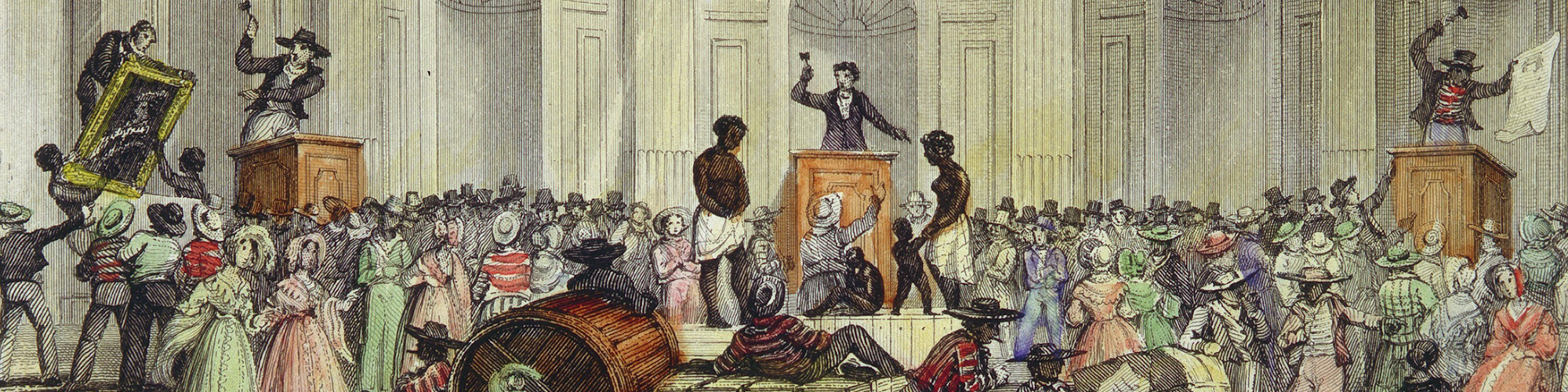
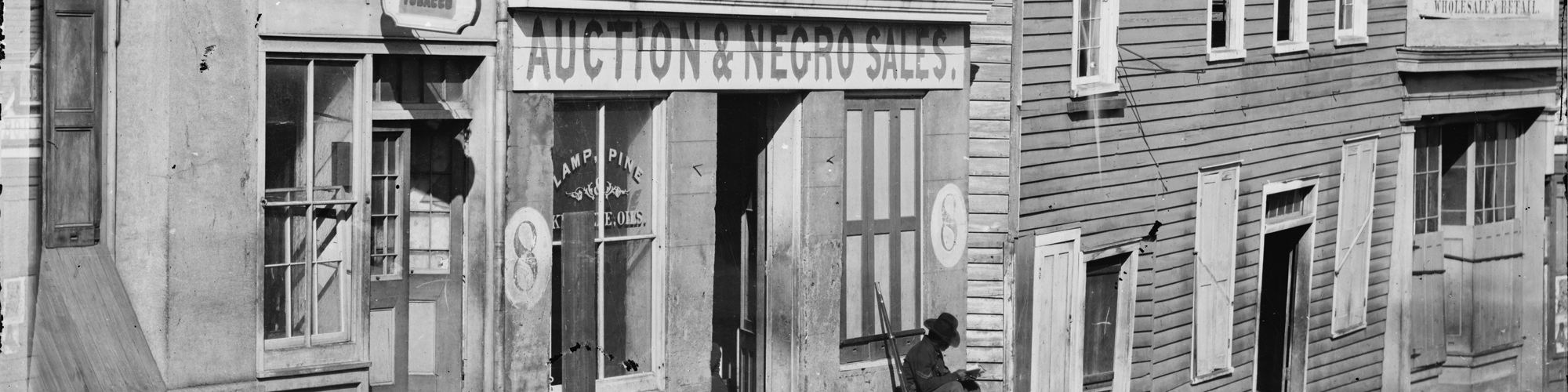
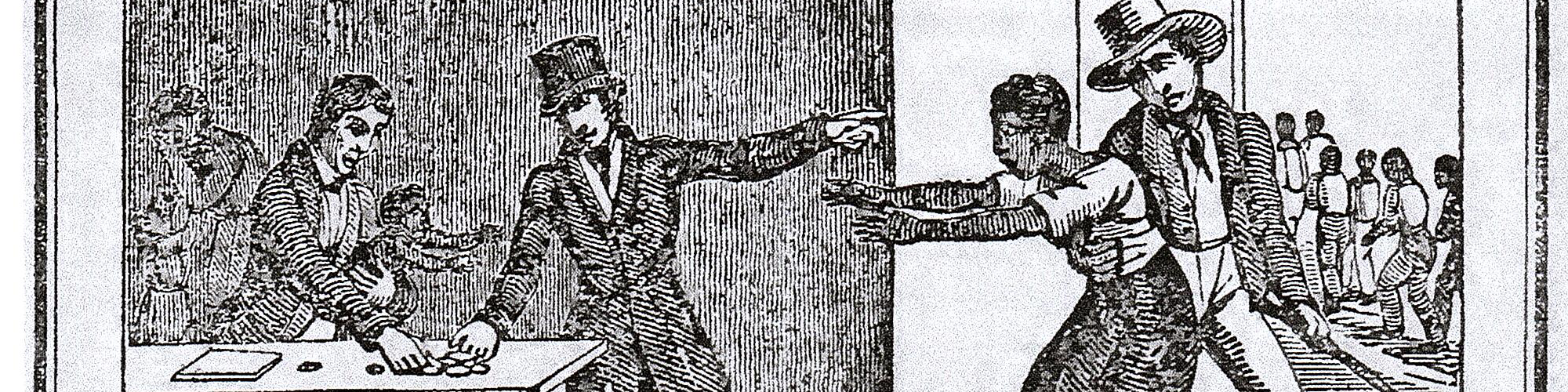
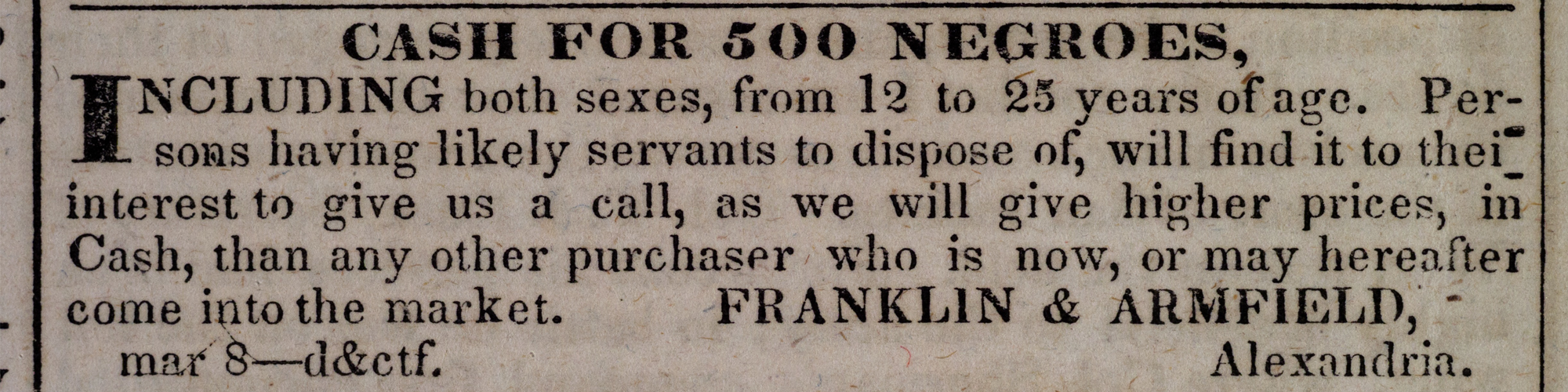
Behind each of these sales stood a machine — traders, routes, holding pens, markets, and the newspapers that advertised it all. 

Image
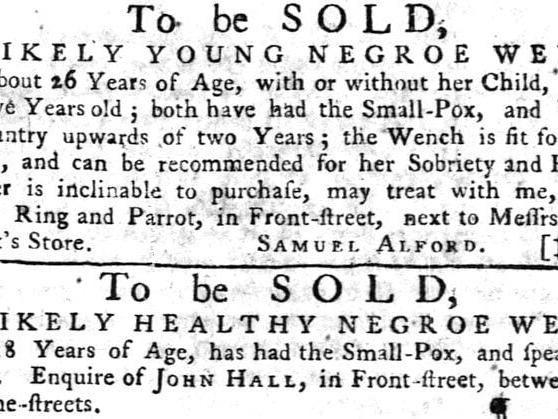
To Be Sold

Purposes of the Project

To Be Sold reconstructs America's domestic slave trade as a system — the traders who ran it, the transatlantic economy that drove it, and the newspapers that advertised and profited from it — in order to restore the people it trafficked to the machinery that trafficked them.

First, we name names of a particular kind. For too long the slave trader was cast as a pariah at the margins of American life — a low creature the plantation ideal preferred to disown. Recent scholarship has shown the opposite: that the traders' capital and methods sat close to the center of American development, underwriting universities, shaping the young social sciences, refining the practices of accounting and credit, and helping finance the industrial takeoff. By reconstructing the traders and their networks from the advertisements they placed — their firms and partnerships, their jails and holding pens, their routes and reach — we seek to hold them accountable for the full breadth and depth of what they built and what they broke.

Second, we seek to dismantle the idea that the Second Middle Passage was a purely "domestic" phenomenon. America's internal trade was driven at once by supply-side forces at home and demand-side forces abroad, both converging on the industrial takeoff in textiles. The connection is not abstract. When Britain abolished slavery, it paid reparations not to the enslaved but to the enslavers — capital that Liverpool's slaving families reinvested in the railways binding their port to the cotton mills of Manchester and Lancashire. Slavery had not ended; it had changed form. Even as Britain suppressed the transatlantic trade, its appetite for cotton fed the vast expansion of America's internal one. To tell the story of the domestic trade without England is to miss half of it.

Third, we seek to reckon with the newspapers themselves. The trade in human beings ran on column inches. Much as classified advertising would later enrich the twentieth-century press, the endless notices of sale, purchase, and pursuit were a reliable revenue stream for nineteenth-century papers — some of which still publish today. Our sources are those very advertisements, which means our method carries its own indictment: the record we build is made of the evidence of the newspapers' complicity, and it lets us measure that complicity — issue by issue, column by column, paper by paper — as few efforts have before.

Fourth, we seek to recover the people. Nothing can repay the intergenerational theft of the Second Middle Passage, and no database can reassemble what it broke. But there is a power in truth plainly told. Where the named-individual collections return to a genealogist an ancestor's name, we can return the ancestor's world — the trader who sold them, the route they were forced along, the pen that held them, the market that priced them. As Ashley's Sack reminds us, the smallest surviving record can carry an ocean of love and loss across generations. In restoring the enslaved to the machinery that moved them, we aim not at closure, which is impossible, but at recognition, which is owed.

Latest News Items

The research began by investigating historical links between the journalist who founded the Manchester Guardian in 1821, and transatlantic slavery -- as well as researching the investments and business activities of the 11 other men who loaned money to start the newspaper.

Universities Studying Slavery (USS) is a consortium of over one hundred institutions of higher learning focused on sharing best practices and guiding principles as they engage in truth-telling educational projects focused on human bondage and the legacies of racism.

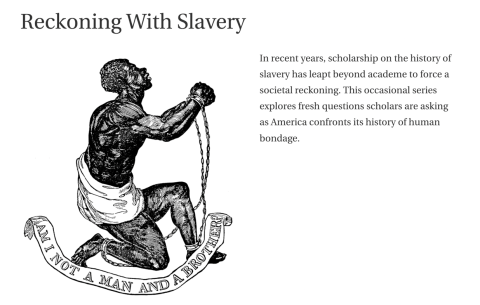
In recent years, scholarship on the history of slavery has leapt beyond academe to force a societal reckoning. This occasional series by the CHE's Marc Parry explores the fresh questions scholars are asking as America confronts its history of human bondage.